What Conservation Easements Mean in Palm Coast Plantation
What buyers should understand about conservation easements, protected buffers, wetlands, surveys, and lot use in Palm Coast Plantation.
Conservation Easements in Palm Coast Plantation
Conservation easements are one of the more important ownership details to understand in Palm Coast Plantation, especially for buyers considering a vacant homesite, a preserve-view property, or a home with protected natural areas nearby.
When Palm Coast Plantation was originally approved for development, conservation easement buffer strips were included on many lots and in many common areas. These areas are tied to the St. Johns River Water Management District (SJRWMD) and are intended to protect vegetated natural buffers, wetlands, and portions of the community's stormwater management system.
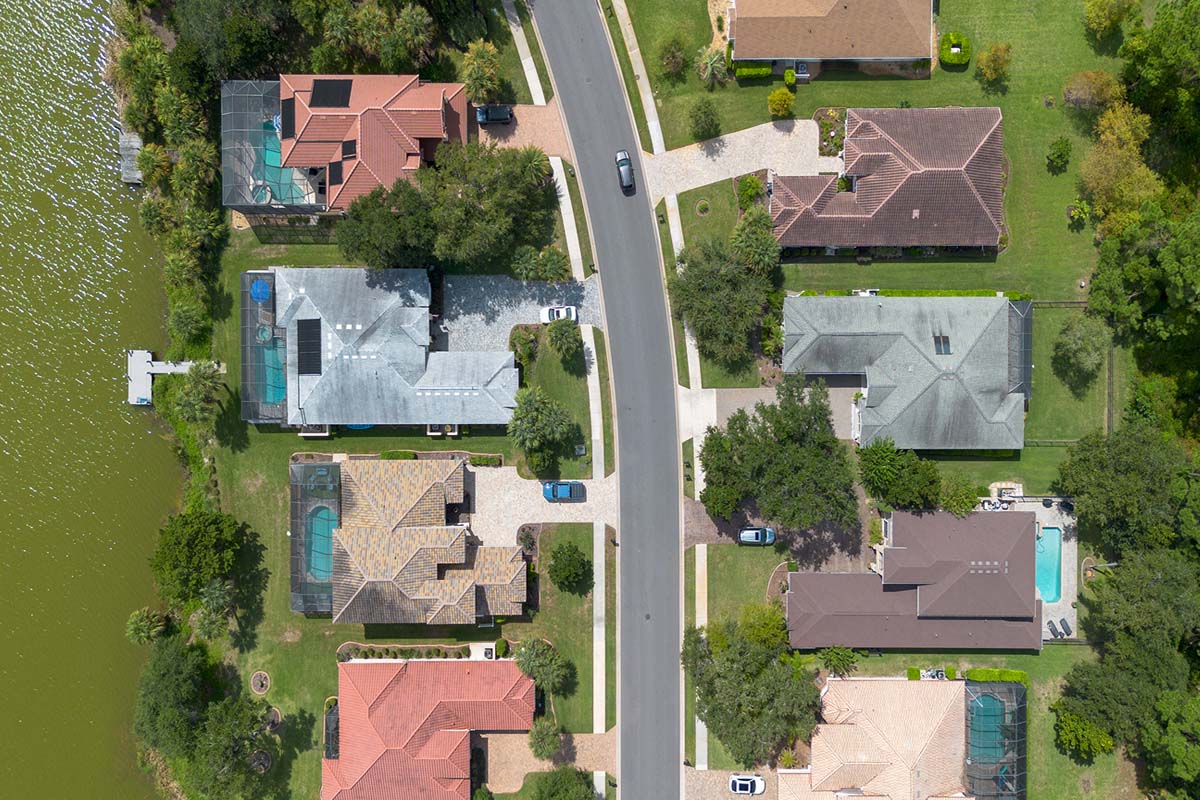
What a Conservation Easement Means
A conservation easement is a recorded restriction on a specific part of land. The property may still be privately owned, but the protected area is not meant to be cleared, filled, built upon, or altered in the same way as the usable portion of the lot.
In practical terms, this means a homesite in Palm Coast Plantation may include both usable yard area and protected land that must remain natural. That distinction can affect landscaping plans, tree removal, fencing, drainage, accessory improvements, and how a buyer evaluates the property's overall use.
Surveys and Property Boundaries
The location of a conservation easement should be shown on the property survey. For buyers, this is one of the key documents to review because it helps identify where the protected area begins and how much of the lot is available for ordinary residential use.
This is especially important with larger homesites, wooded lots, lake-area properties, and lots backing to natural buffers. A property may feel very expansive in person, but the survey may show that part of the land is protected and subject to additional limitations.
Vegetative Buffers and Wetlands
Palm Coast Plantation community materials specifically caution owners not to disturb Conservation Area Easements, Vegetative Natural Buffers, or wetlands on or near their property. These areas are not simply decorative landscape features. They are part of the environmental and stormwater framework that was built into the community's development approvals.
For owners, that means protected areas should be treated differently from ordinary lawn or landscape areas. Clearing underbrush, trimming vegetation, removing trees, placing fill, dumping yard debris, installing structures, or changing drainage within a protected area can create problems if done without proper approval.
Common Restrictions to Understand
The SJRWMD conservation easement materials describe restrictions that commonly apply to protected areas. These can include limits on clearing or trimming vegetation, removing soil, adding fill, placing yard waste or other materials, excavating, building structures, or otherwise changing the easement area's natural condition.
The exact restrictions can depend on the recorded easement, the governing documents, and the specific property. That is why you should review conservation easements as part of the overall purchase process, not as a minor detail after closing.
Reviewing Easements Before You Buy
If I am helping a buyer evaluate a Palm Coast Plantation property, conservation easements are one of the details I will review early so the buyer understands how the lot can be used before moving forward.
That review may include the survey, seller disclosures, HOA materials, ARC guidelines, community documents, and any property-specific questions that need to be clarified before moving forward. The goal is not to complicate the process, but to make sure buyers understand how the property can actually be used.
A Practical Ownership Detail
Conservation easements are not unusual in Florida waterfront and nature-oriented communities. In Palm Coast Plantation, they are part of the way the community was planned, approved, and preserved.
For buyers, the key is knowing where the protected areas are, how they affect the lot, and what approvals may be needed before making changes. With the right guidance, conservation easements become part of the ownership picture rather than an unexpected issue after closing.
Source note: Information in this article was compiled from the Palm Coast Plantation Welcome Packet, SJRWMD conservation easement materials, and Palm Coast Plantation community ownership guidance. Conservation easements, protected buffers, wetlands, and related restrictions should be reviewed in connection with the specific property, survey, HOA materials, and governing documents during the purchase process.