Palm Coast Plantation HOA, ARC Review, Dues, and Ownership Details
A look at HOA dues, amenities, gate access, ARC review, and what deed-restricted living means for buyers.
Ownership Within a Private Gated Community
Palm Coast Plantation is a gated, deed-restricted community with a private ownership structure that supports its amenities, common areas, controlled access, and architectural standards. For buyers evaluating homes or homesites here, the HOA is part of the overall ownership experience.
The community includes custom homes, waterfront properties, lakefront settings, preserve views, and remaining homesites. Its appeal is not based on one feature alone, but on the combination of privacy, space, amenities, water access, and a maintained residential environment.
What the HOA Supports
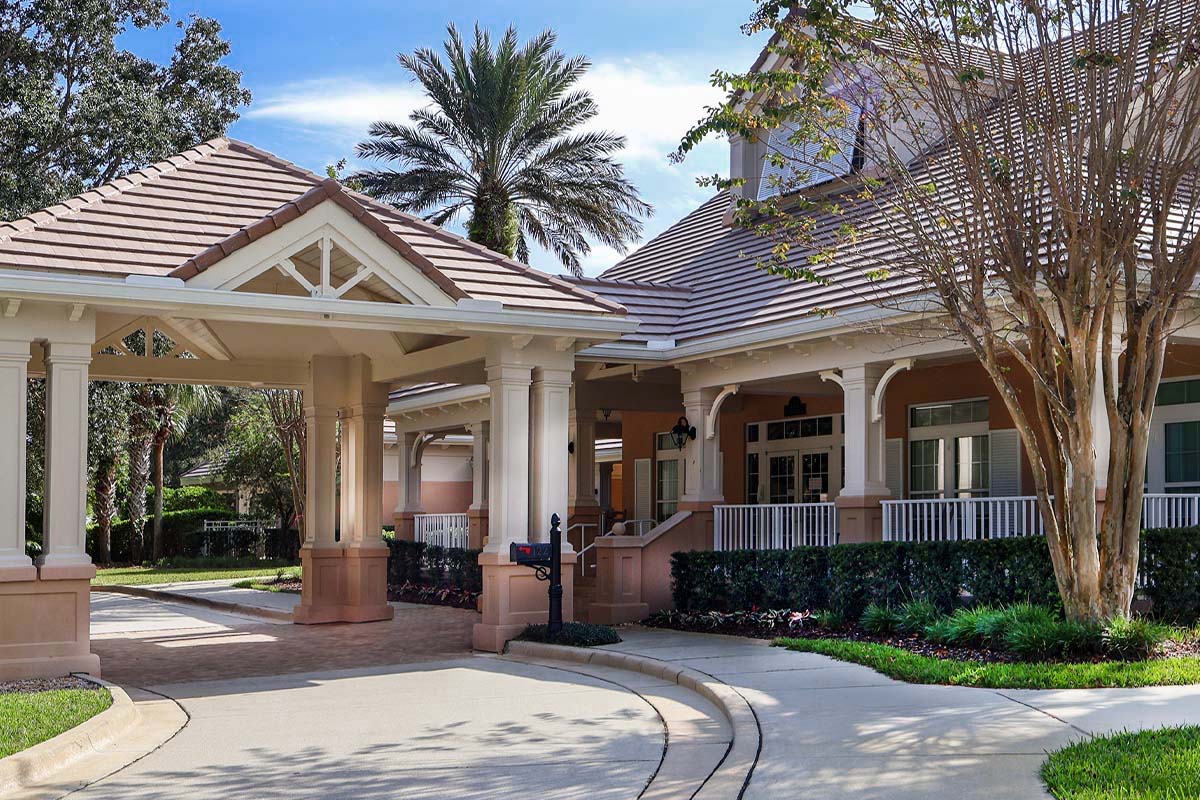
Palm Coast Plantation's HOA supports the private infrastructure behind the community, including controlled access, shared amenities, common-area maintenance, architectural review, owner communications, and the upkeep of shared facilities throughout the neighborhood.
Common areas may include community roads, entrance features, landscaping, open space, walking trails, recreational areas, clubhouse facilities, pool areas, playgrounds, boat access areas, and other shared community property.
HOA Dues and Current Ownership Costs
For 2025, Palm Coast Plantation's HOA dues are listed at $718 per quarter, payable at the beginning of each quarter. The same quarterly amount applies to undeveloped property. As part of the purchase process, I help buyers review the current HOA information, ownership documents, application requirements, and any community-related fees that apply to the property.
Boat and RV storage is handled separately from the regular association dues. The current annual rental fee is listed at $350 per slot, subject to availability and association procedures.
Architectural Review and New Construction Standards
The Architectural Review Committee, commonly referred to as the ARC, reviews plans for new home construction, exterior alterations, landscaping changes, pools, docks, and other visible improvements. Approval is required before work begins.
For new construction, the ARC guidelines encourage a variety of architectural styles, while emphasizing high-quality design, durable materials, thoughtful site placement, and homes that fit naturally within the surrounding landscape. This distinction matters in Palm Coast Plantation. The community allows custom-home individuality, but within a framework intended to preserve architectural quality and neighborhood continuity.
Setbacks are also part of the review process. Current ARC guidelines list minimum setbacks of 25 feet from the front lot line, 20 feet from the rear lot line, and 7.5 feet from the side property line, with additional considerations for side yards along streets, conservation areas, upland buffers, lake or pond boundaries, pools, patios, porches, and screen enclosures.
On certain lots, including some along Riverwalk Drive, the ARC may require homes to be placed farther back from the front lot line to help preserve existing old-growth trees and maintain the character of the streetscape. When I assist buyers with vacant homesites or properties with future improvement plans, these are the kinds of details I help review early in the process.
Gate Access and Resident Procedures
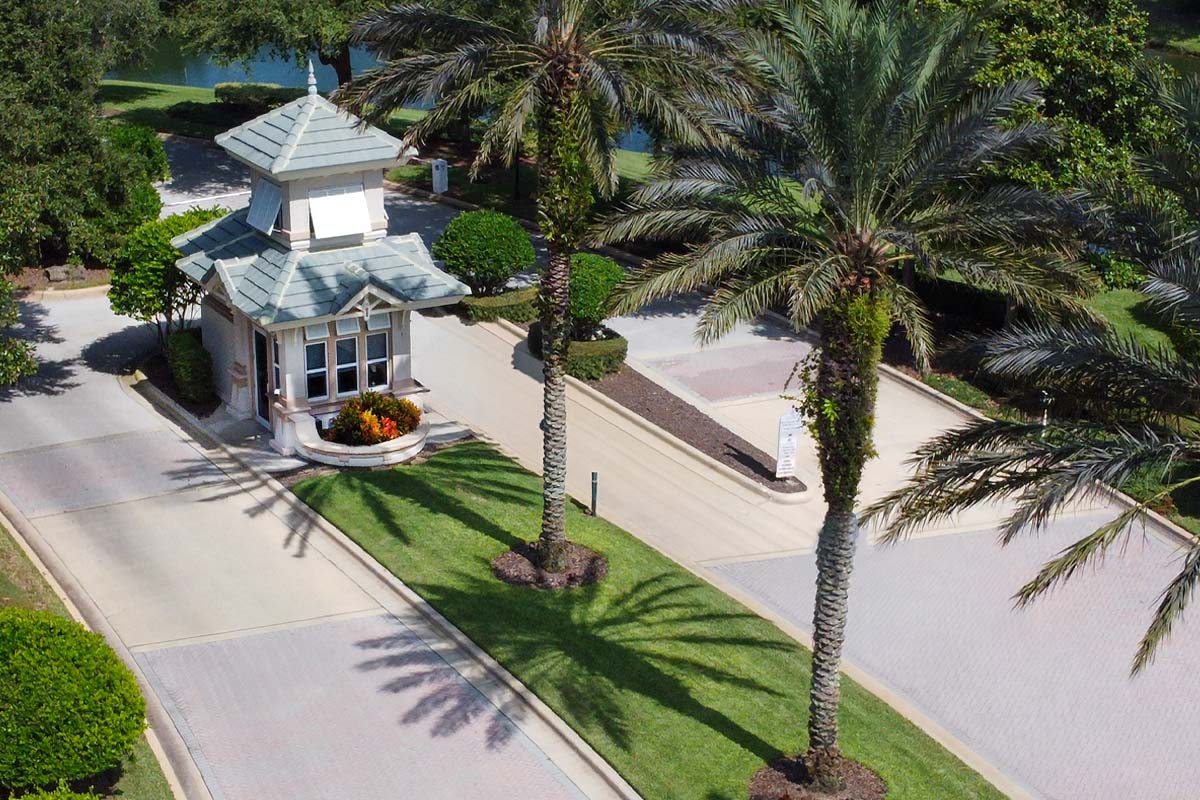
Palm Coast Plantation has a controlled gated entrance. The guard house is staffed from 6:00 am to 10:00 pm, with controlled access available through a communication box outside those hours. Visitors must show a valid driver's license before being granted access to the community.
New owners should contact Vesta Property Services to complete the New Owner Orientation process. This includes information about private owner website access, vehicle gate barcodes, and amenity center access cards.
Amenities and Shared Facilities
The HOA structure supports many of the features that shape daily life in Palm Coast Plantation, including the lakefront clubhouse, pool and spa areas, fitness facilities, sports courts, walking and biking paths, playground areas, Emerald Lake access, and the Intracoastal dock and gazebo area.
These amenities are part of what separates Palm Coast Plantation from a conventional subdivision. The community was planned around water, recreation, privacy, and outdoor living, and the HOA helps maintain the shared facilities that support that setting.
What Deed-Restricted Living Means Here
In Palm Coast Plantation, deed-restricted ownership means that homes, homesites, improvements, and common areas are subject to community standards. Those standards protect the neighborhood's appearance and continuity while allowing a range of custom home styles and property settings.
For buyers in the luxury market, this structure is often part of the appeal. It provides a more predictable ownership environment, especially in a community with large homesites, waterfront property, ongoing construction, and significant shared amenities.
Guidance Through the Ownership Details
HOA fees, storage availability, access procedures, ARC requirements, and community policies can change. I help buyers review the current association documents, clarify property-specific questions, and understand the ownership details that apply to the home or homesite they are considering.
Vesta Property Services is located at 411 S Central Ave, Flagler Beach, FL 32136, and can be reached at (386) 439-0134. The Palm Coast Plantation clubhouse office can be reached at (386) 439-0791. The owner portal is available at engage.goenumerate.com/s/pcphoa.
Source note: Information in this article was compiled from Palm Coast Plantation HOA materials, Vesta Property Services information, community documents, ARC guidelines, Rules and Regulations, Welcome Packet, and community fact sheet sources. Buyers should confirm current fees, rules, and procedures directly with the association or property manager before purchasing.